
The Main Drain Check Homeowners Skip: A 5-Minute Routine That Helps Prevent Messy Backups
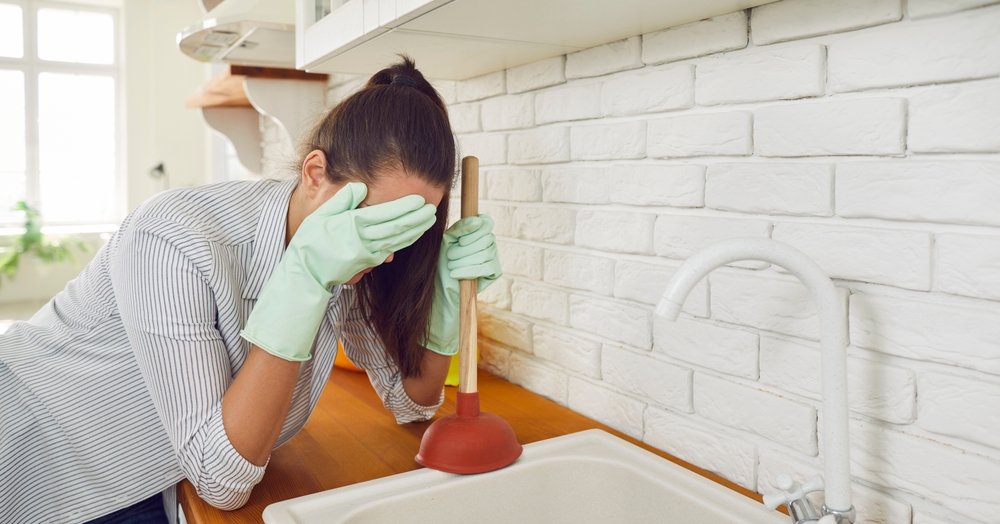
Most of us don’t think about our plumbing until it stops working, but ignoring the main line is a recipe for a basement flood. If you want to avoid a massive headache, you need to find dependable companies for drain and sewer cleaning before an emergency actually strikes. Taking five minutes today to check your main drain can save you thousands of dollars in restoration costs later.
Why the Main Line is the Most Important Pipe in Your House
Think of your home’s plumbing like a tree. Your sinks, toilets, and showers are the branches, but they all lead to one single trunk: the main sewer line. When a branch gets clogged, you just lose one sink. When the trunk gets blocked, everything in the house has nowhere to go but back up into your tubs or basement floor drains.
Most homeowners focus on a slow kitchen sink or a finicky toilet, but the main line is where the real nightmares happen. It is buried underground, usually under your front yard, making it easy to forget until it is too late.
The 5-Minute “Listen and Look” Routine
You do not need to be a plumber to perform a basic health check on your system. Once a month, take five minutes to walk through these steps:
- Check the Floor Drain: Go to the lowest point in your house, usually the basement or utility room. Look at the floor drain. If you see standing water or dried “gunk” around the grate, that is a major red flag that the main line is struggling to keep up.
- The Flush Test: Have someone flush a toilet upstairs while you stand near the main cleanout pipe. If you hear gurgling sounds coming from other drains or see water rising in the floor drain, a blockage is forming.
- Inspect the Cleanout: Find your main cleanout, which is usually a white or black pipe with a screw-on cap protruding from the ground near your foundation. Ensure the cap is tight and there are no wet spots or foul odors around the soil.
Signs You Are Heading Toward a Backup
Your pipes will usually try to warn you before they fail. One of the most common signs is a “phantom” gurgle. If you run the washing machine and your kitchen sink starts bubbling, it means air is being trapped by a partial blockage in the main line.
Another sign is a slow drain that affects multiple rooms. If the guest bath and the master bath are both draining slowly at the same time, the problem isn’t the hair in the trap. It is a deep-seated clog that requires professional attention.
Common Culprits Behind Main Line Clogs
While we like to blame “flushable” wipes (which are never actually flushable), the main drain’s biggest enemy is often nature. Tree roots love the moisture and nutrients found inside sewer pipes. Even a tiny crack is enough for a root to enter, where it grows into a thick “root ball” that acts like a net for everything you flush.
In older homes, pipe corrosion or “bellies” (sections where the pipe has sagged due to shifting soil) are also common. These low spots collect debris over time, eventually leading to a full stoppage.
When to Call in the Pros
If your DIY check reveals standing water or persistent gurgling, stop using the water and call for help. A simple snaking might fix a minor issue, but for a main line, most experts recommend a camera inspection. This allows you to see exactly what is happening inside the pipe without digging up your yard.
When searching for drain cleaning companies, look for those that offer hydro-jetting. This process uses high-pressure water to blast away roots and grease, essentially scrubbing the inside of the pipe clean rather than just punching a hole through the clog.
Read Also: How Smart Cities Are Using Technology to Improve Public Services
Why Consistency Beats Luck
Plumbing isn’t something you should gamble on. A 5-minute check every month creates a baseline for how your home should sound and smell.
When things start to drift from that baseline, you can catch the problem while it is still a $200 service call rather than a $10,000 basement renovation. It always pays to be meticulous in the long run.
Final Thoughts
A little bit of observation goes a long way in home maintenance. If you keep an eye on your cleanout and a “nose” on your floor drains, you will stay ahead of the curve. Make sure to find dependable companies for drain and sewer cleaning now, so you have a trusted number on your fridge before you are standing in two inches of water.