Designing with Purpose: How Timber Shapes Functional and Beautiful Living Spaces
Great design is rarely about a single element. It is the result of thoughtful decisions that bring structure, materials, and aesthetics into alignment. In residential construction, timber continues to play a central role in achieving this balance. Its natural character, combined with its structural capabilities, makes it a material that supports both form and function.
As homeowners seek spaces that feel intentional and cohesive, the importance of design-driven construction has grown. Timber offers a unique opportunity to create environments that are not only durable but also visually engaging.
The Foundation of Good Exterior Design
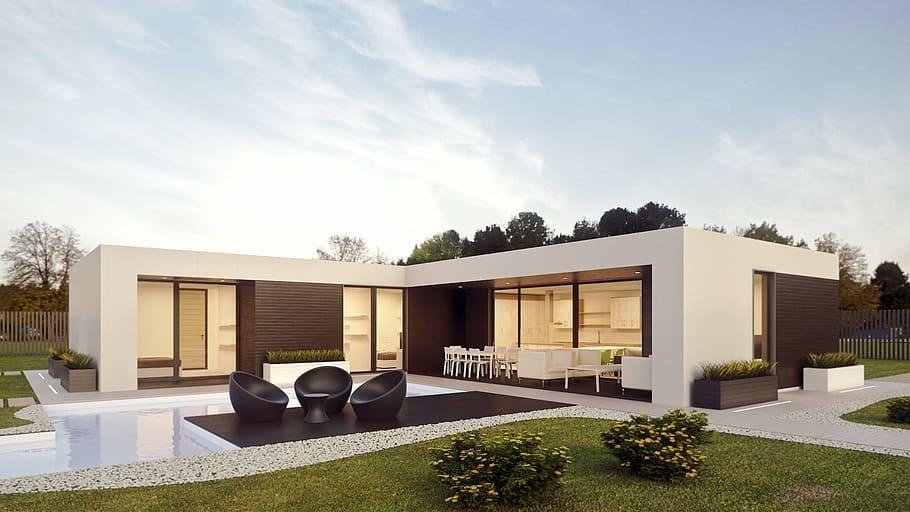
The exterior of a home sets the tone for everything inside. It influences how a space is perceived and how it performs in relation to its surroundings. A well-designed exterior considers factors such as climate, orientation, and material selection.
Guidelines like those found in principles of effective exterior home design emphasize the importance of integrating structure with environment. These considerations help ensure that a home is both visually appealing and functionally efficient.
Timber fits naturally into this approach, offering a material that can adapt to different design requirements while maintaining a consistent aesthetic.
Why Timber Is a Designer’s Preferred Material
Natural Versatility
Timber can be shaped, finished, and combined with other materials to suit a wide range of styles. Whether used for framing, cladding, or interior features, it provides flexibility that supports creative design solutions.
This versatility allows designers to experiment with different textures and forms, creating spaces that feel unique and personalized.
Aesthetic Warmth and Character
Unlike synthetic materials, timber brings a natural warmth that enhances the overall atmosphere of a space. Its grain and texture add depth, making rooms feel more inviting and comfortable.
This quality makes timber particularly effective in residential settings, where comfort and visual appeal are equally important.
Working with Experts in Timber Design
While timber offers many advantages, its success depends on how it is used. Skilled professionals play a critical role in ensuring that design concepts are translated into practical, well-executed structures.
Collaborating with experienced professionals behind design from Tar River allows builders to approach projects with confidence. Their expertise ensures that every detail, from structural layout to finishing touches, is carefully considered.
This level of precision helps create spaces that are both functional and visually cohesive.
Integrating Interior Style with Structural Elements
Modern homes often blur the line between structure and interior design. Timber plays a key role in this integration, allowing structural elements to become part of the overall aesthetic.
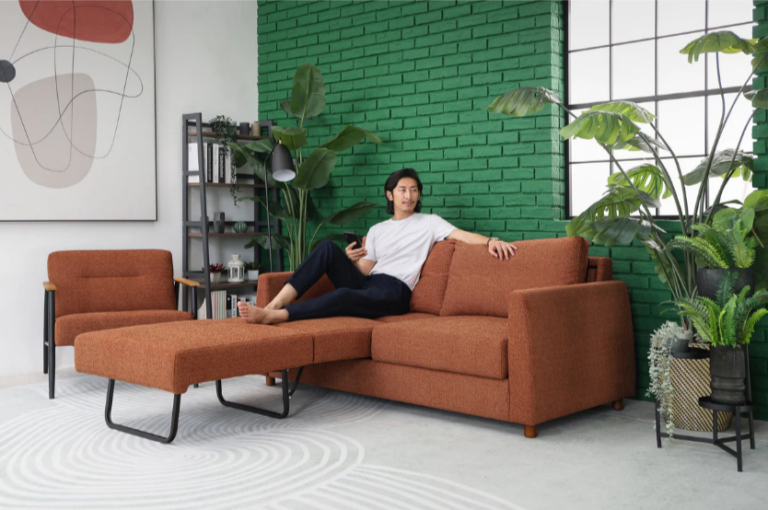
Interior trends, such as those highlighted in contemporary furniture and décor inspiration, show how materials and textures can work together to create a cohesive look. Timber complements these trends by providing a natural foundation that supports various design choices.
By aligning structural elements with interior design, builders can create spaces that feel unified and thoughtfully designed.
Balancing Functionality with Visual Appeal
Effective design is not just about how a space looks—it is about how it functions. Timber supports this balance by offering a material that is both strong and adaptable.
Designers must consider how spaces will be used, ensuring that structural elements do not interfere with functionality. At the same time, these elements should enhance the overall aesthetic.
This balance results in homes that are practical for everyday living while maintaining a high level of visual quality.
Reducing Complexity Through Thoughtful Planning
Construction projects can quickly become complex, especially when multiple design elements are involved. Timber helps simplify this process by offering a material that is easy to work with and adaptable to different requirements.
Careful planning ensures that each component fits seamlessly into the overall design. This reduces the need for adjustments and helps maintain consistency throughout the project.
By focusing on clarity and organization, builders can achieve more efficient and successful outcomes.
Adapting to Changing Design Trends
Design trends are constantly evolving, influenced by lifestyle changes, technology, and cultural preferences. Timber remains relevant in this shifting landscape because of its ability to adapt to new styles.
From minimalist interiors to more traditional layouts, timber can be used in ways that reflect current trends while maintaining a timeless appeal. This flexibility makes it a valuable material for designers and builders alike.
As trends continue to change, timber’s role in construction is likely to remain strong.
See also: Advanced Web Platform 923285111 for Expansion
The Future of Timber in Design-Focused Construction
The future of construction is increasingly focused on creating spaces that are both efficient and aesthetically pleasing. Timber is well-positioned to support this shift, offering a material that aligns with both sustainability goals and design expectations.
Advancements in engineered wood products and construction techniques are expanding the possibilities for timber use. These innovations allow for more complex designs while maintaining structural integrity.
As these developments continue, timber will remain a central element in design-focused construction.
Conclusion
Designing a home that balances function and beauty requires careful planning, skilled execution, and the right materials. Timber offers a unique combination of versatility, strength, and aesthetic appeal, making it an ideal choice for modern construction.
By working with experienced professionals and embracing thoughtful design principles, builders can create spaces that are both practical and visually engaging. Timber, guided by expert design, continues to shape homes that stand out for their quality and character.