Reimagining Brick-and-Mortar Success with Footfall Counters and Retail Analytics Tools
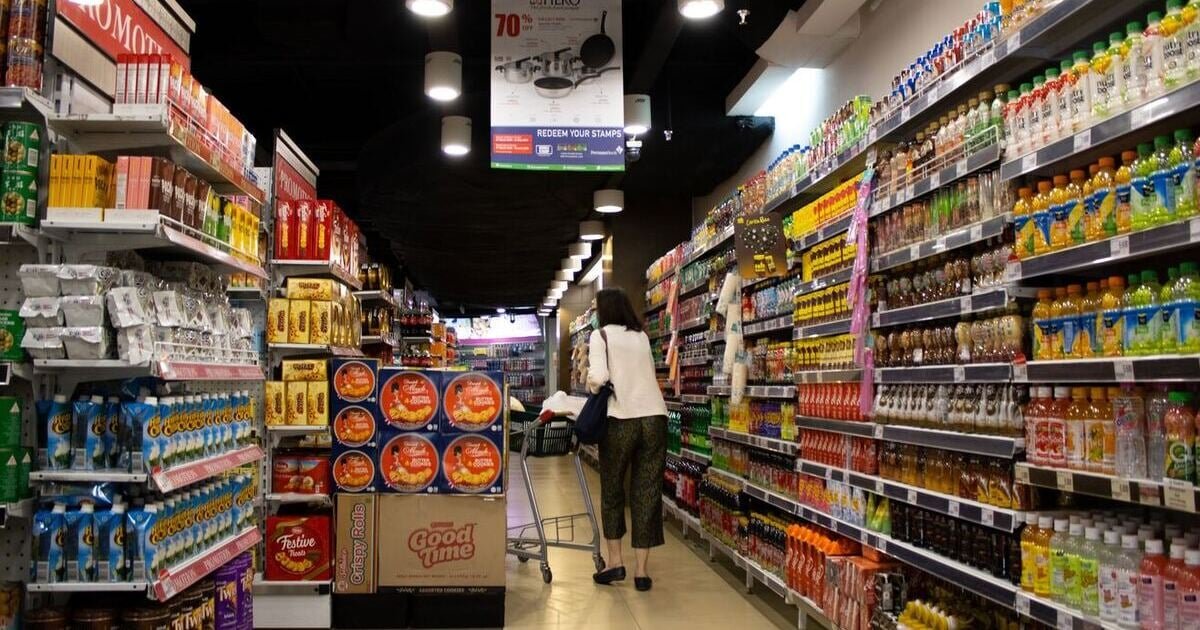
In an era where e-commerce dominates headlines, brick-and-mortar retail is far from fading — it’s evolving. Physical stores are transforming into intelligent spaces powered by data, insights, and customer behavior analytics. At the core of this revolution are footfall counters and the expertise of Retail Analytics Software, helping traditional stores compete in a digital-first world.
By combining technology and data-driven intelligence, retailers are reimagining how they measure success, improve efficiency, and deliver personalized experiences that keep customers coming back.
Introduction: The New Age of Physical Retail
Brick-and-mortar stores once relied solely on sales figures and intuition to gauge performance. However, in a landscape shaped by changing consumer expectations and fierce competition, that approach is no longer enough.
Today, the most successful retailers embrace data as their foundation for growth. From understanding customer movement to optimizing store operations, footfall counters and Retail Analytics Software are helping stores bridge the gap between physical and digital insights — ensuring every in-store interaction translates into measurable business value.
What is a Footfall Counter and Why It Matters
A footfall counter is a smart device that tracks how many people enter, exit, or move through a retail space. Modern counters use technologies such as infrared sensors, thermal imaging, AI-powered cameras, and Wi-Fi detection to capture precise visitor data.
But counting people is just the beginning. When Retail Analytics Software interpret this data, it reveals critical insights into customer behavior, store performance, and overall operational efficiency. This shift from raw numbers to actionable intelligence allows retailers to make informed, data-backed decisions in real time.
How Retail Analytics Software Are Transforming Physical Retail
The integration of footfall counters with analytics platforms has revolutionized how physical stores operate. Here’s how Retail Analytics Software are empowering retailers to achieve smarter success:
1. Measuring Store Performance Beyond Sales
Sales figures only tell part of the story. A store might have strong revenue but low visitor conversion, signaling missed opportunities. By analyzing footfall counter data, Retail Analytics Software can calculate conversion rates — helping retailers understand how many visitors become paying customers.
This insight enables better decision-making around marketing, product placement, and customer engagement strategies to boost overall performance.
2. Understanding Customer Flow and Behavior
One of the biggest advantages of using a footfall counter is the ability to analyze how customers move within a store. Retail Analytics Software map customer journeys, identifying high-traffic zones, dwell times, and underutilized areas.
Retailers can then optimize store layouts, improve product displays, and design pathways that naturally guide shoppers toward key product zones — enhancing engagement and increasing purchase likelihood.
3. Improving Staff Allocation and Operational Efficiency
Workforce management can make or break the in-store experience. By analyzing footfall patterns, Retail Analytics Software help retailers schedule staff more effectively.
If a footfall counter shows peak traffic between 5 p.m. and 8 p.m., stores can ensure sufficient staff coverage during those hours while avoiding overstaffing during quieter times. This balance improves both customer satisfaction and operational efficiency.
4. Evaluating Marketing Campaign Effectiveness
Retailers often struggle to measure the real-world impact of their marketing efforts. Footfall counters provide the missing link between campaigns and store visits.
Retail Analytics Software track traffic changes before, during, and after campaigns, revealing how effective each initiative is at driving in-store traffic. This data helps brands fine-tune marketing strategies, optimize budgets, and maximize ROI.
5. Enhancing Inventory and Demand Planning
Inventory management becomes far more accurate with the help of footfall counters. By monitoring visitor trends, Retail Analytics Software can forecast demand during specific days, seasons, or promotional events.
Retailers can then align stock levels accordingly — reducing overstocking, preventing shortages, and ensuring that popular products are always available when demand peaks.
6. Elevating Customer Experience
The customer experience is at the heart of every successful retail strategy. Using data from footfall counters, Retail Analytics Software help retailers understand customer preferences, adjust layouts to minimize congestion, and enhance the store atmosphere.
By creating smoother, more engaging shopping experiences, stores not only increase satisfaction but also encourage repeat visits and long-term loyalty.
Benefits of Footfall Counters in Modern Retail
The combination of footfall counters and Retail Analytics Software brings numerous advantages that directly impact growth and profitability:
- Comprehensive performance insights: Go beyond sales to understand true store efficiency.
- Smarter decision-making: Make evidence-based decisions across operations, staffing, and marketing.
- Operational optimization: Align staff schedules, layout, and inventory with real customer behavior.
- Data-driven marketing: Measure campaign success and customer engagement with accuracy.
- Enhanced customer satisfaction: Improve shopping experiences through real-time behavioral insights.
Together, these tools turn physical stores into intelligent, adaptive environments capable of competing with the analytical precision of online platforms.
The Future: AI-Driven Retail Analytics and Predictive Insights
The future of retail lies in predictive analytics — where Retail Analytics Software use artificial intelligence (AI) and machine learning to forecast customer behavior and store performance.
Next-generation footfall counters will not only count visitors but also analyze patterns, predict rush hours, and trigger automated responses like adjusting staff schedules or launching time-sensitive promotions.
With the integration of IoT devices, sensors, and cloud platforms, retail is moving toward a fully connected ecosystem where every footstep generates valuable, actionable insight.
Read Also: How Smart Cities Are Using Technology to Improve Public Services
Conclusion
The digital revolution isn’t just transforming online shopping — it’s redefining the future of brick-and-mortar stores. With tools like the footfall counter and insights provided by Retail Analytics Software, traditional retailers can now make smarter, faster, and more informed decisions.
From optimizing layouts to enhancing customer experiences, these technologies are helping physical stores evolve into data-driven spaces that compete effectively in the modern market.
In short, success in today’s retail world isn’t about selling more — it’s about understanding more. By embracing analytics and innovation, brick-and-mortar retailers can reimagine their potential and achieve sustainable, long-term growth.
FAQs
1. What is a footfall counter, and how does it help retailers?
A footfall counter measures how many visitors enter or exit a store. It provides valuable insights into traffic patterns, helping retailers understand customer behavior, optimize layouts, and improve performance.
2. How do Retail Analytics Software use footfall data?
Retail Analytics Software analyze footfall data to identify customer trends, measure campaign effectiveness, and guide data-driven decisions that enhance operational efficiency.
3. Can footfall counters improve sales?
Indirectly, yes. By offering insights into visitor behavior and conversion rates, footfall counters help retailers make strategic improvements that drive higher sales.
4. Are footfall counters suitable for small and medium-sized retailers?
Absolutely. Modern footfall counters are affordable and scalable, making them ideal for retailers of all sizes.
5. What technologies do modern footfall counters use?
Today’s footfall counters rely on AI, infrared sensors, 3D cameras, and Wi-Fi tracking to collect real-time visitor data with high accuracy.